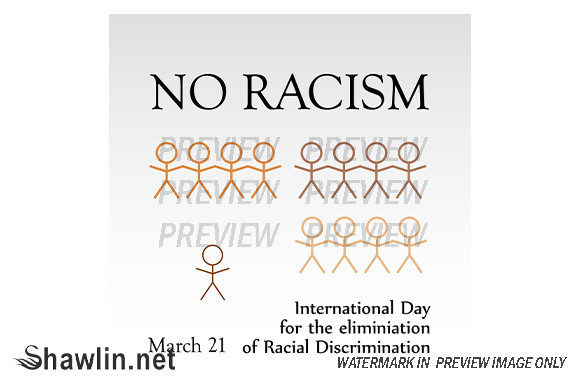
No Racism Graphic with Stick Figures: A Strategic Tool for Inclusive Communication
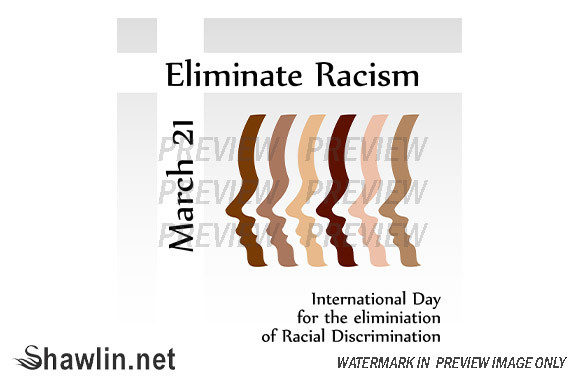
In today’s globalized and diverse world, the need for clear, impactful messaging around social issues has never been more critical. The No Racism Graphic with Stick Figures offers a visually simple yet powerful way to convey messages of equality, inclusion, and anti-discrimination. This graphic is not just an image—it's a strategic asset that can be leveraged across multiple platforms and purposes.
Designed with stick figures, this illustration avoids complex visuals that might distract from the core message. It’s ideal for use in educational materials, marketing campaigns, public awareness initiatives, and internal company communications. Its simplicity allows it to be easily adapted and understood by a wide audience, making it a versatile tool for anyone looking to promote inclusivity.
Why Strategic Use Matters
The No Racism Graphic with Stick Figures is more than just a visual aid—it’s a communication strategy. When used thoughtfully, it can reinforce brand values, support diversity initiatives, or serve as a focal point for community engagement efforts. However, its effectiveness depends on how well it aligns with broader goals and messaging strategies.
For instance, a business aiming to demonstrate its commitment to social responsibility could incorporate this graphic into its website, social media posts, or employee training materials. Similarly, educators might use it in lessons about human rights, cultural awareness, or civic education. The key is to ensure that the graphic serves a purpose beyond aesthetics and contributes meaningfully to the intended outcome.
When to Use the No Racism Graphic with Stick Figures
There are several scenarios where the No Racism Graphic with Stick Figures can be strategically deployed:
- Public Awareness Campaigns: Use it to highlight anti-racism efforts or to support movements advocating for equality.
- Educational Materials: Incorporate it into lesson plans, presentations, or student handouts to teach about diversity and respect.
- Corporate Communications: Display it in internal meetings, company newsletters, or on digital signage to reinforce inclusive workplace culture.
- Marketing Content: Feature it in ads, brochures, or online banners to signal a brand’s stance on social issues.
Each of these applications requires careful consideration of context, audience, and intent. The graphic should not be used as a generic placeholder but rather as a deliberate choice that aligns with specific objectives.
How to Approach the No Racism Graphic with Stick Figures
Before integrating the No Racism Graphic with Stick Figures into any project, it’s essential to define the purpose and desired impact. Ask yourself: What message do I want to convey? Who is my target audience? How does this graphic fit into my overall communication plan?
One practical approach is to pair the graphic with a clear, concise message that reinforces its meaning. For example, a post on social media might include the image alongside a statement like, “We stand against racism. Every person deserves respect.” This combination helps ensure that the visual supports—and doesn’t overshadow—the message.
Additionally, consider the format and placement of the graphic. High-resolution JPG files allow for sharp display on websites and printed materials, while vector EPS files offer flexibility for editing and scaling. Understanding the technical specifications of the file types ensures that the graphic maintains quality across different uses.
What to Consider Before Relying on the Graphic
While the No Racism Graphic with Stick Figures is a valuable tool, it’s important to recognize its limitations. It is not a substitute for in-depth discussions, policy changes, or actionable steps toward equity. Instead, it should be part of a larger strategy that includes education, dialogue, and real-world impact.
Another consideration is the potential for misinterpretation. Without proper context, the graphic might be seen as a superficial gesture rather than a genuine effort. To avoid this, ensure that its use is accompanied by meaningful actions and transparent communication. This builds trust and demonstrates a commitment to the cause.
Also, think about the tone and environment in which the graphic will be used. In professional or formal settings, it should be presented with care and respect. In more casual or creative contexts, it can be used more freely, but still with intentionality.
Practical Examples of Effective Use
Here are a few examples of how the No Racism Graphic with Stick Figures can be used effectively:
- Company Website: Add the graphic to the homepage or a dedicated diversity and inclusion page. Pair it with a brief statement about the company’s values and ongoing efforts to foster an inclusive environment.
- Social Media Campaign: Launch a series of posts featuring the graphic alongside stories or quotes from employees, customers, or community leaders who share their experiences and perspectives on racism.
- Training Programs: Use the graphic in workshops or seminars focused on unconscious bias, cultural sensitivity, or anti-racism practices. It can serve as a visual reminder of the importance of these topics.
- Public Art Installations: Display the graphic in community spaces such as libraries, schools, or public squares to spark conversations and raise awareness about racial equality.
These examples illustrate how the graphic can be integrated into various formats and settings to maximize its impact.
Risks of Using the Graphic Without Clear Intent
Using the No Racism Graphic with Stick Figures without a clear purpose can lead to unintended consequences. For example, if it’s used merely as a decorative element or to meet a checklist requirement, it may come across as insincere or performative. This can damage credibility and undermine the very message it aims to promote.
Another risk is overuse. If the graphic appears too frequently or inappropriately, it may lose its significance and become less effective. It’s important to strike a balance between visibility and subtlety, ensuring that the graphic remains relevant and meaningful.
Strategic Observations and Decision-Making Guidance
When deciding whether to use the No Racism Graphic with Stick Figures, consider the following strategic observations:
- Alignment with Values: Ensure that the graphic aligns with your organization’s mission, values, and long-term goals.
- Target Audience: Understand who will see the graphic and tailor its use to resonate with them.
- Contextual Relevance: Use the graphic in situations where it adds value and supports the intended message.
- Measurable Impact: Track how the graphic is received and evaluate its effectiveness in achieving the desired outcomes.
By taking these factors into account, you can make informed decisions about when and how to use the graphic, maximizing its potential to drive positive change.
Long-Term Value and Sustainable Use
The No Racism Graphic with Stick Figures can contribute to long-term value when used as part of a sustained effort to promote inclusivity and social justice. It’s not just a one-time visual but a recurring symbol of commitment that can be revisited and reinforced over time.
Consider incorporating the graphic into regular content cycles, such as monthly newsletters, annual reports, or quarterly updates. This helps maintain visibility and keeps the message top of mind for stakeholders, customers, and the broader community.
Ultimately, the goal is to create a lasting impact through thoughtful, intentional use of the graphic. By doing so, you can help build a more equitable and respectful society—one message at a time.